
Long-leaf Waxflower, Native Daphne, Broad-leaf Waxflower
Rutaceae.
Philotheca.
Eriostemon, from Greek erion, wool, and stemon, stamen, referring to hairy stamens. Myoporoides, resembling Myoporum.
900mm.
Moderate.
Up to 2m.
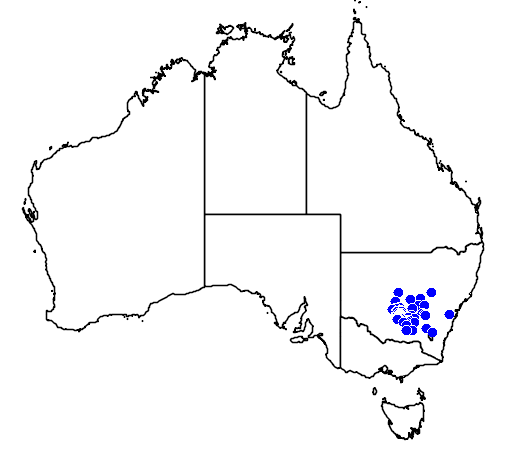
Noted in the areas Narrandera-Morundah-Galore-Collingullie, and Upper Gilmore. Found in rocky outcrops and mountainous country.
This specie has been identified in the following Australian states: NSW, ACT.
Hilly areas with sandstone and quartzite. Chiefly in dry sclerophyll forest and heath.
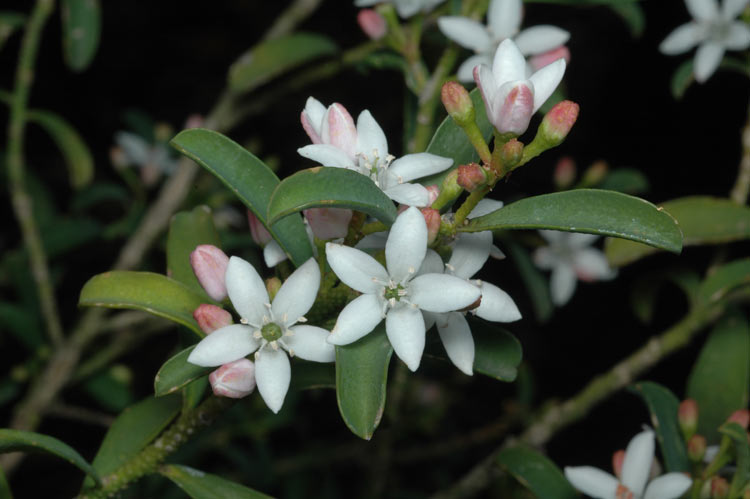
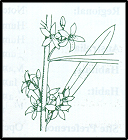
Shrub to 2m high with densely warty stems and aromatic leaves, 25-40 mm long.
Well-drained neutral to acid soils in dappled shade or partial sun. Tolerates frost, extended dry periods, semi-shade and full sun.
Highly aromatic when crushed. Moderate growth rate and longevity.
White with pinkish tinge, mainly spring. Star-like.
Jan-Mar. Cut off mature fruiting capsules and dry in warm area to allow seeds to fall out. Seeds are short-lived.
From cuttings of firm new growth. May be slow and erratic to root. Bottom heat and overhead misting enhance or hasten rooting. Germination difficult. Seeds require nicking and leaching for 10-14 days before sowing.
Popular in cultivation for shrubberies or mass plantings. Very hardy and adaptable. Light or heavy pruning promotes bushiness and mulching benefits plants. Scale and sooty mould may be a problem.
Cut flowers or foliage.