
Gorse Bitter Pea, Native Gorse, Furze-like Daviesia, Gorse Bitter Pea., Gorse Bitter-pea
Fabaceae.
Daviesia.
Daviesia, after botanist the Rev. Hugh Davies (1739-1821). Ulicifolia, ulex-leaved. Ulex is spiky European gorse or furze, which the “leaves” of this species resemble.
400-900mm.
Fast.
Up to 2m.
Noted in the areas Burrumbuttock-West Hume; Upper Adelong & Upper Yaven, and Gocup. Possibly also in similar country in areas surrounding those noted.
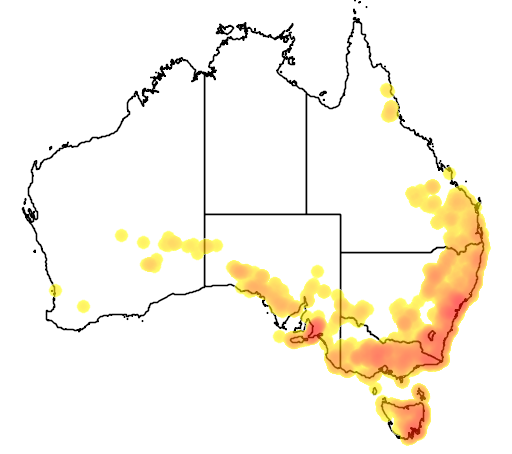
This specie has been identified in the following Australian states: Qld, NSW, ACT, Vic, Tas, SA, WA.
Usually dry sclerophyll forest.
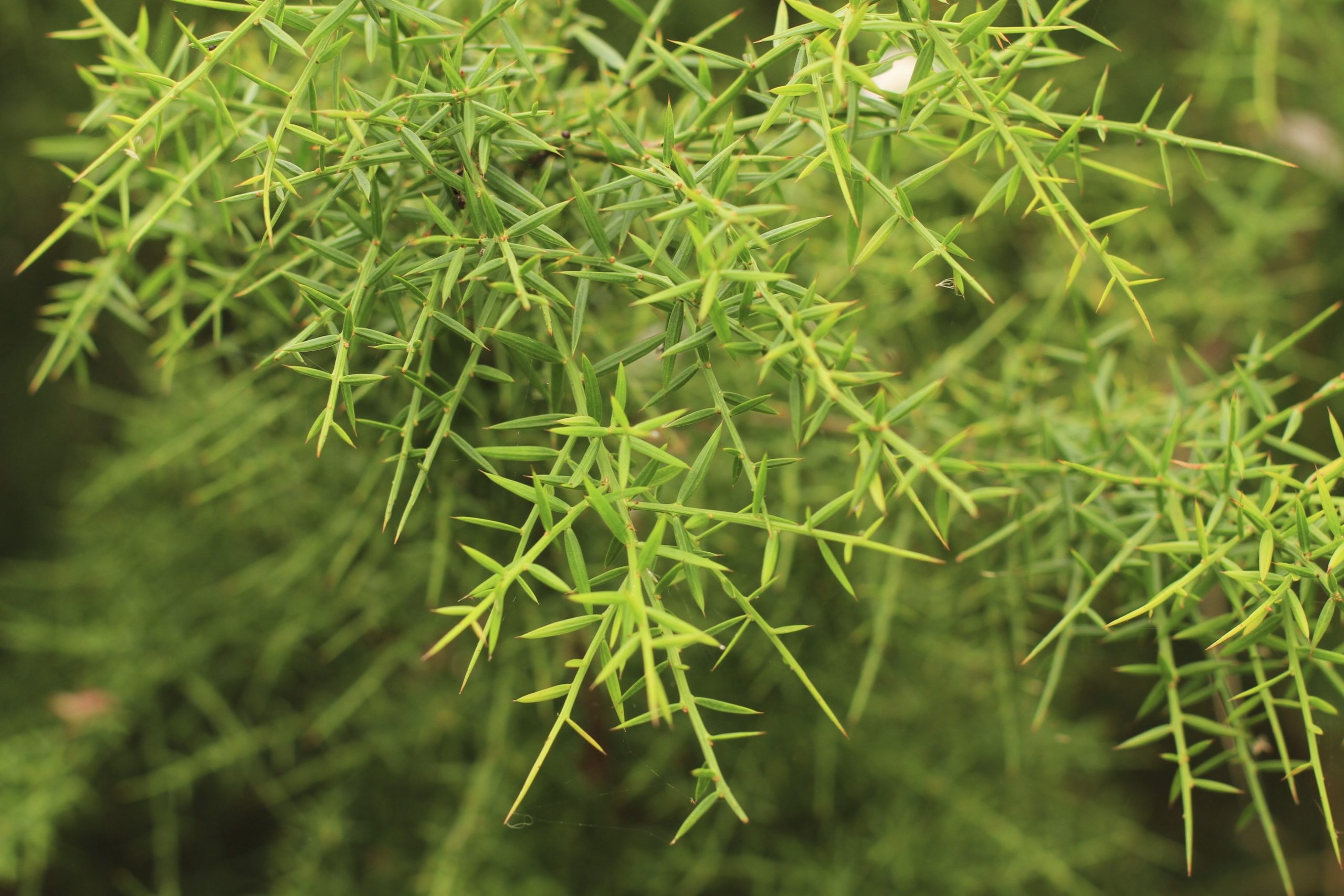
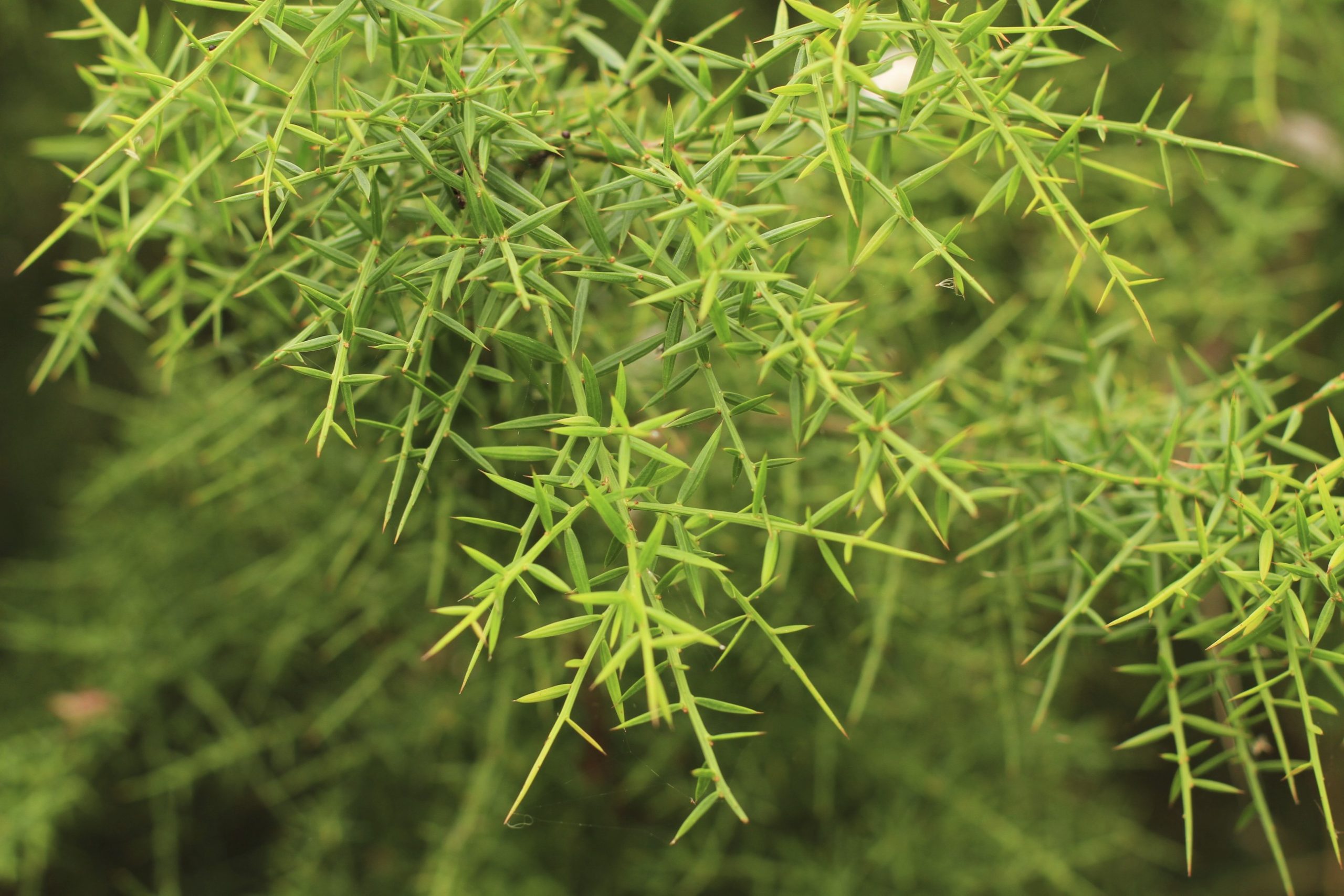
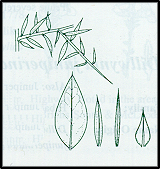
Broadly spreading, much-branched stiff shrub to 2m high. Narrow pointed dark-green “leaves”, 5-20 mm long.
Dry, well-drained soil in semi-shade. Accepts moist well-drained soil in full sun. Resents poor drainage. Tolerates drought.
Not grazed by livestock due to its thorns. Hardy.
Yellow and red-brown, Aug (low altitude) to Dec (high altitude). Pea-like.
Early Nov – late Jan. Monitor very closely as seed released immediately or within 1-2 days of maturity. To ensure collection, cover fruiting branches with nylon stockings or paper bags after flowering. Ripe pods are light-brown and brittle and rattle when shaken, with dark-coloured seed inside. May be difficult to obtain seed in useful quantities. Long storage life.
From scarified seed. Soak in near-boiling water for about 30 seconds, before cooling rapidly under flowing cold water. Alternatively soak in cold water for several hours. Dry to prevent rotting, before sowing. Germination occurs in 3-4 weeks. Suitable for direct seeding in pots (2-3 seeds per pot).
From seed, particularly after fire.
Useful low-level cover in windbreaks.
Useful understorey in recharge plantings, and for improving soil fertility, through “fixing” nitrogen.
Good habitat. Flowers are a pollen and excellent nectar source for various native insects and birds. Prickly foliage good refuge for small birds.
Ornamental for barriers and under trees. Richer flower-colour than other Daviesia species. Prune severely to promote new, dense growth. Hardy in cultivation.